
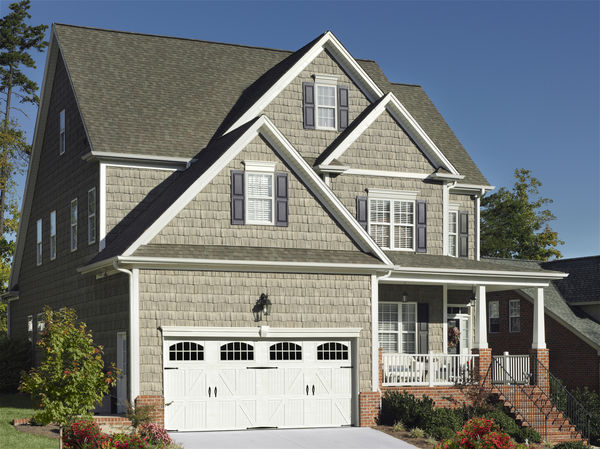
Many homeowners focus on insulating walls, attics, and windows to improve energy efficiency—but often overlook one of the largest openings in the home: the garage door. Whether your garage is attached or detached, an uninsulated garage door can allow outside air to impact your home’s overall temperature. By upgrading to an insulated garage door or adding insulation to your existing one, you can significantly reduce energy waste and lower monthly utility bills.
Why the Garage Door Matters More Than You Think
Garage doors typically take up a large portion of a home’s exterior wall space. If the garage is attached to your house, temperature changes inside the garage can easily affect adjacent rooms. When your garage door lacks insulation, it allows heat to escape in winter and hot air to enter in summer. This forces your HVAC system to work harder to maintain comfortable indoor temperatures, increasing energy consumption and costs.
Reducing Heat Loss During Winter
In colder months, an uninsulated garage door acts like a giant thermal gap. Cold air seeps into the garage and cools down surrounding walls, ceilings, and floors. If you have living spaces above or next to the garage, they may feel colder as well. Insulating the garage door creates a barrier that slows heat transfer, helping retain warmth inside your home and reducing how often your heating system needs to run.
Keeping Cool Air Inside in Summer
Summer heat can be just as costly as winter chill. When outdoor temperatures rise, an uninsulated garage absorbs heat quickly and turns into a hot box. That heat radiates into nearby rooms, especially if the garage shares walls with the house. Insulated garage doors limit heat penetration, helping your air conditioning system maintain consistent indoor temperatures without overworking.
Improving Overall Energy Efficiency
Energy efficiency is all about minimizing unwanted heat transfer. Insulated garage doors are designed with materials like polyurethane or polystyrene that slow the movement of heat through the door panels. This added thermal resistance, often measured by an R-value, helps stabilize temperatures. The higher the R-value, the better the insulating performance. Choosing a garage door with a strong R-value can make a noticeable difference in energy savings over time.
Lowering Strain on Your HVAC System
When your heating and cooling systems constantly compensate for temperature fluctuations, they use more energy and experience more wear and tear. Insulating your garage door reduces extreme temperature swings, which can decrease the workload on your HVAC system. Over time, this not only saves money on energy bills but may also extend the lifespan of your heating and cooling equipment.
Creating a More Comfortable Living Space
Many homeowners use their garages for more than parking cars. Garages often double as workshops, home gyms, storage areas, or laundry spaces. An insulated garage door makes these spaces more comfortable year-round. Instead of dealing with freezing temperatures in winter or excessive heat in summer, insulation helps create a more stable and usable environment without relying heavily on additional heating or cooling devices.
Reducing Air Leaks and Drafts
Insulation works best when paired with proper sealing. Insulated garage doors often come with tighter construction and better weatherstripping along the edges. This helps prevent drafts, moisture intrusion, and outside air leaks. By sealing gaps around the door, you further reduce energy loss and protect your garage and home from temperature extremes.
Protecting Items Stored in the Garage
Temperature fluctuations can damage items stored in your garage, including tools, paint, electronics, and seasonal decorations. Extreme cold can cause liquids to freeze, while excessive heat can warp materials or degrade adhesives. Insulating your garage door helps moderate temperature swings, preserving stored belongings and preventing costly replacements.
Noise Reduction as a Bonus Benefit
While the primary goal may be energy savings, insulated garage doors also provide sound-dampening benefits. The added layers of insulation help reduce outside noise from traffic, weather, or neighbors. This is particularly helpful if your garage is attached to living areas or bedrooms. A quieter environment can enhance comfort while contributing to overall home value.
Boosting Home Value and Curb Appeal
Energy-efficient upgrades are attractive to potential buyers. An insulated garage door signals that a home is well-maintained and designed with efficiency in mind. Many insulated doors also feature reinforced construction, improving durability and appearance. Investing in insulation not only reduces current utility bills but may also increase resale value in the future.
Affordable Upgrade With Long-Term Savings
Compared to other home improvement projects, insulating a garage door is relatively affordable. Homeowners can choose from professional installations or insulation kits designed for existing doors. While there is an upfront cost, the long-term savings on energy bills often offset the investment. Over time, lower heating and cooling expenses can make insulation a financially smart decision.
Supporting Sustainable Living
Reducing energy use doesn’t just save money—it also lowers your carbon footprint. By decreasing the demand on heating and cooling systems, you reduce overall energy consumption. For homeowners looking to make environmentally responsible choices, garage door insulation is a simple yet impactful step toward a more sustainable home.
Making the Right Choice for Your Home
When considering garage door insulation, evaluate factors like climate, garage usage, and whether your garage is attached or detached. Homes in regions with extreme seasonal temperatures benefit the most from higher R-value doors. Consulting with a garage door professional can help you determine the best insulation option for your specific needs and budget.
Insulating your garage door may not be the first upgrade that comes to mind when thinking about energy efficiency, but it can have a meaningful impact. By reducing heat transfer, minimizing drafts, and lowering the workload on your HVAC system, garage door insulation helps create a more comfortable home while saving money on monthly energy bills. Over time, this practical improvement delivers both financial and functional benefits—making it a smart investment for homeowners who want greater comfort and efficiency.