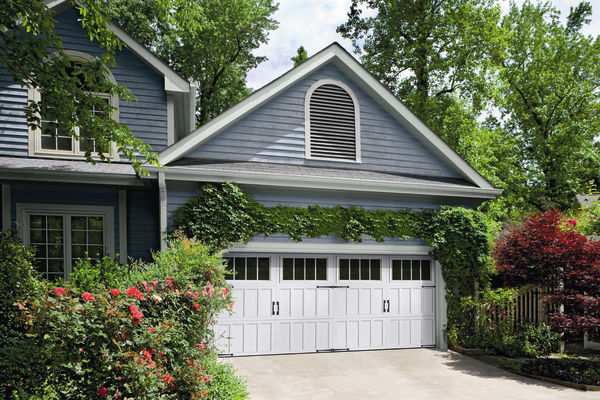
Choosing the right garage door is especially important for homes in hot and humid climates, where constant heat, moisture, and intense sunlight can quickly wear down lower-quality materials. The best garage doors for these environments are designed to resist corrosion, prevent warping, and maintain energy efficiency even in extreme conditions. By selecting the right material and insulation level, homeowners can improve comfort, reduce maintenance, and extend the lifespan of their garage door.
Why Climate Matters When Choosing a Garage Door
Hot and humid environments can take a serious toll on garage doors over time. Excess moisture in the air can lead to rust, swelling, or mold, while high temperatures and UV exposure may cause fading, cracking, or structural weakening. Materials that perform well in cooler or drier climates may not hold up under these conditions. That’s why it’s essential to consider climate-specific performance when selecting a garage door, ensuring it can withstand both heat and humidity without deteriorating prematurely.
Best Overall Option: Insulated Steel Garage Doors
Insulated steel garage doors are often considered one of the best all-around choices for hot climates. They are durable, strong, and resistant to many common environmental stressors. With built-in insulation, these doors help regulate indoor temperatures by reducing heat transfer, which can be especially beneficial for attached garages. While steel can be prone to rust if unprotected, modern coatings and finishes help prevent corrosion and extend the life of the door.
Best for Humidity: Aluminum Garage Doors
Aluminum garage doors are a great option for areas with high humidity levels because they naturally resist rust and corrosion. This makes them particularly suitable for regions with frequent rain or damp conditions. Aluminum is also lightweight, which reduces strain on the door’s moving parts and can contribute to a longer lifespan. Although it may not provide as much natural insulation as other materials, insulated versions are available to improve energy efficiency.
Best Low-Maintenance Choice: Vinyl Garage Doors
Vinyl garage doors are ideal for homeowners looking for a low-maintenance solution in humid climates. They are highly resistant to moisture, dents, and general wear and tear. Unlike wood, vinyl won’t rot, warp, or require frequent repainting. It also stands up well to prolonged sun exposure, maintaining its appearance over time. This makes vinyl an excellent option for those who want a durable door without the need for ongoing upkeep.
Best for Style and Durability: Fiberglass Garage Doors
Fiberglass garage doors offer a balance between durability and visual appeal. They can mimic the look of natural wood while avoiding many of the issues associated with it, such as warping or rotting in humid conditions. Fiberglass is resistant to moisture and temperature fluctuations, making it a solid choice for hot and coastal climates. Many fiberglass doors also include insulation, helping to improve energy efficiency while maintaining a stylish exterior.
The Importance of Insulation and R-Value
In hot climates, insulation plays a crucial role in keeping garages cooler and more comfortable. The effectiveness of insulation is measured by its R-value, which indicates how well it resists heat transfer. Higher R-values provide better thermal protection, helping to prevent outdoor heat from entering the garage. This is especially important for homes with attached garages, where excess heat can impact indoor living spaces and increase cooling costs.
Choosing the Right Finish and Coating
The finish of a garage door is just as important as the material itself. In hot and humid climates, protective coatings help guard against UV rays, fading, and corrosion. Powder-coated finishes and weather-resistant paints can significantly extend the lifespan of a garage door. Additionally, choosing doors with proper sealing around edges and joints can help keep moisture out, reducing the risk of internal damage and improving overall performance.
Balancing Cost, Performance, and Longevity
When selecting a garage door, it’s important to balance upfront costs with long-term value. While lower-cost options may seem appealing initially, they may require more frequent repairs or replacements in challenging climates. Investing in a high-quality, climate-appropriate door can lead to better durability, improved energy efficiency, and fewer maintenance issues over time. This makes it a more cost-effective choice in the long run.
Choosing the best garage door for a hot and humid climate ultimately comes down to selecting the right combination of material, insulation, and protective features. Insulated steel doors provide strong overall performance, while aluminum, vinyl, and fiberglass each offer unique advantages depending on your needs. By focusing on durability, moisture resistance, and energy efficiency, homeowners can ensure their garage door stands up to the elements while enhancing the comfort and value of their home.